When World War II ended in 1945, the fighting stopped, but a new global rivalry was just beginning. The United States and the Soviet Union quickly became competitors in what would later be known as the Cold War. To gain an advantage, America made a controversial decision that remained largely unknown to the public for years. The country secretly brought hundreds of German scientists, including former Nazi experts, to work in the United States. These men would play a major role in shaping America’s military, space, and technological success.
Operation Paperclip: America’s Secret Recruitment Program
The effort was called Operation Paperclip. Shortly after Germany’s defeat, U.S. officials identified scientists and engineers who had worked on advanced German weapons and technology during the war. Rather than allowing these experts to fall into Soviet hands, America recruited them and brought them to the United States.
More than 1,500 German scientists, engineers, and technicians eventually arrived through the program. Many had been involved in developing rockets, aircraft, and military technologies that were years ahead of their time.
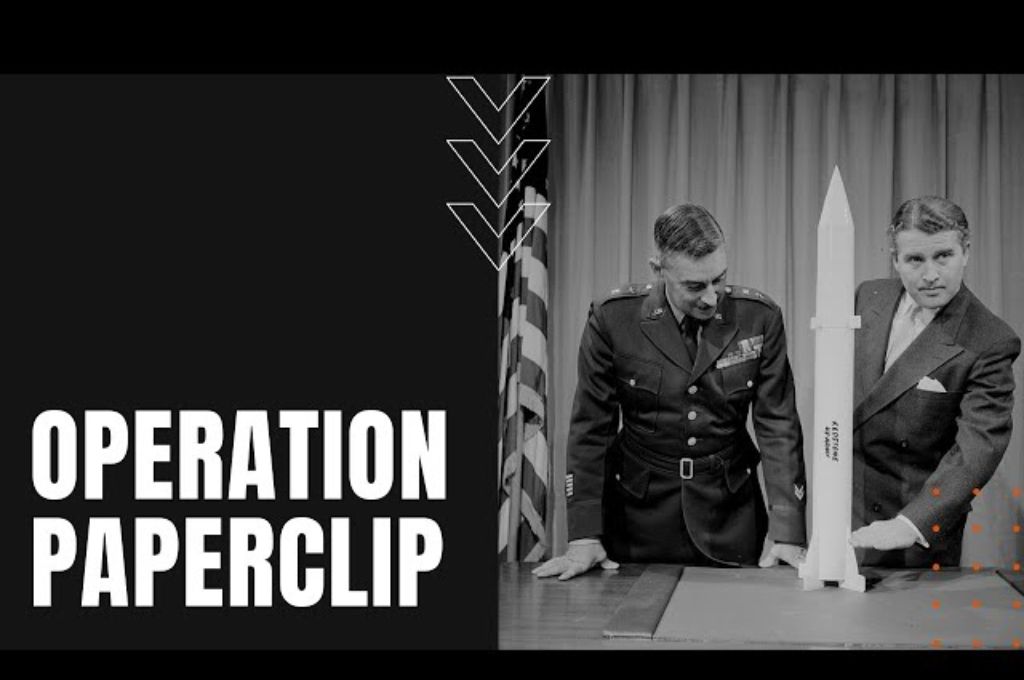
The Rocket Scientists Who Changed History
One of the most famous figures was Wernher von Braun. During World War II, he helped develop Germany’s V-2 rocket, the world’s first long-range guided ballistic missile. After moving to the United States, von Braun became a leading figure in American rocket development.
His work helped the U.S. military improve missile technology during the Cold War. Later, he played a key role in NASA’s space program and helped develop the Saturn V rocket that carried astronauts to the Moon.
Without the expertise of scientists like von Braun, America’s progress in rocketry and space exploration would likely have been much slower.
How Nazi Scientists Helped America During the Cold War
The Cold War was not fought through direct battles between the United States and the Soviet Union. Instead, both nations competed in technology, military power, intelligence, and space exploration.
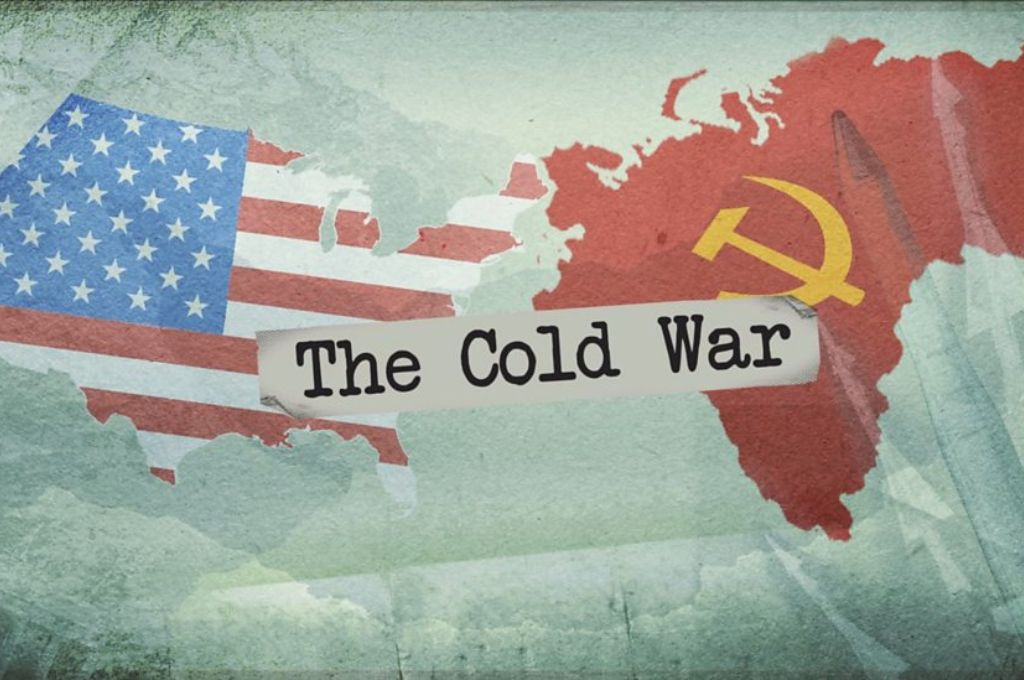
The German scientists recruited through Operation Paperclip contributed to several important areas
- Development of ballistic missile systems
- Advances in aerospace engineering
- Military research and defense technology
- Early space exploration programs
- Satellite and rocket development
Their knowledge helped America keep pace with Soviet advancements and maintain a strategic advantage in several critical fields.
The Ethical Debate Behind Operation Paperclip
While Operation Paperclip benefited the United States, it remains controversial. Some of the recruited scientists had connections to the Nazi regime and were involved in projects that used forced labor during the war.
Critics argue that America overlooked these connections because it wanted their scientific knowledge. Supporters claim that recruiting the scientists was necessary to prevent the Soviet Union from gaining the same advantage.
The Secret Nazi Scientists Behind America’s Cold War Success
The story of The Secret Nazi Scientists Behind America’s Cold War Success is one of the most fascinating and controversial chapters of modern history. Through Operation Paperclip, the United States gained access to some of the world’s most advanced scientific minds. Their contributions helped strengthen America’s military capabilities, accelerate its space program, and compete successfully against the Soviet Union during the Cold War.